Behind the Development: Petite apparel development and manufacturing
How JKAD.USA Supported the Fit, Artwork, and Manufacturing Development of 5One Apparel
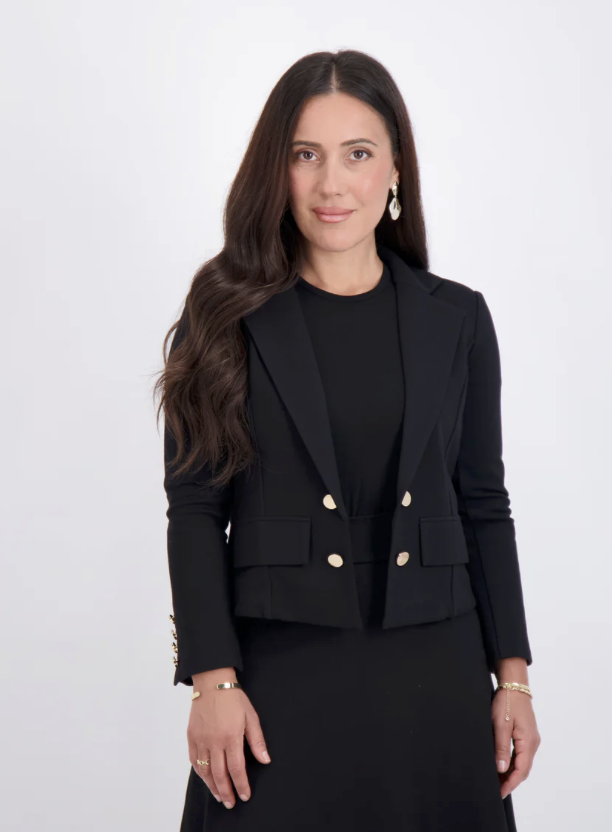
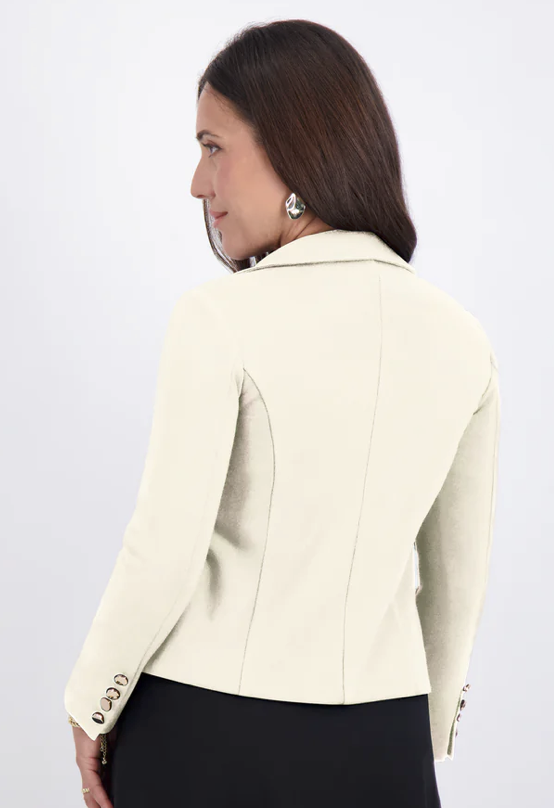
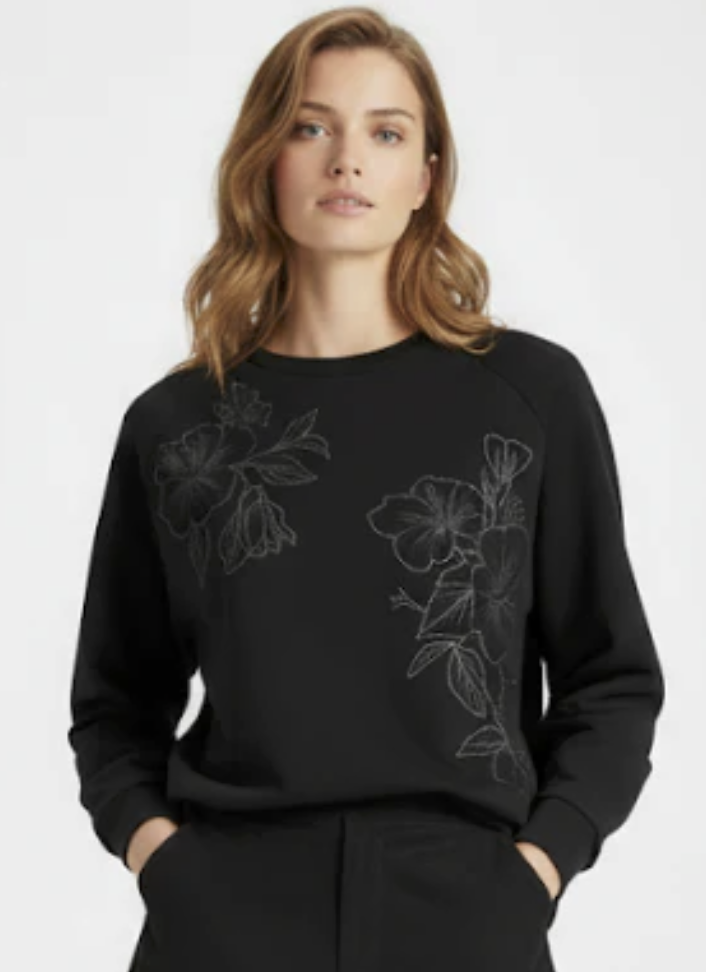
Some apparel projects begin with a sketch. Others begin with a much clearer problem.
For 5One Apparel, the problem was specific: petite women were constantly being asked to compromise. Sleeves were too long. Skirts needed hemming. Waistlines hit in the wrong place. Dresses technically “fit,” but the proportions were not built for a petite frame.
The goal was not simply to create smaller clothing. It was to develop garments that respected petite proportions from the beginning.
That is where our work began.
At JKAD.USA, we partnered with 5One Apparel as the strategic development and manufacturing partner, helping translate the brand’s vision into real, wearable product. Our role included guiding the fit and development process, refining design details, creating artwork, supporting the technical direction, and managing the manufacturing execution required to bring the collection to life.
Starting With the Customer’s Real Fit Problem
Petite apparel cannot be treated as a simple length adjustment.
A common mistake in apparel development is assuming that petite fit only means shortening the hem or sleeve. But true petite development requires a full-body proportion review. The shoulder placement, armhole depth, waist position, torso length, skirt balance, sweep, sleeve opening, and overall scale all need to work together.
For 5One Apparel, that level of consideration was central to the product direction.
The brand was built for women who wanted modest, polished clothing that felt intentionally designed for a petite frame. Not altered after the fact. Not oversized and adjusted. Not standard sizing repackaged as petite.
Our development work focused on helping the garments feel balanced from shoulder to hem. That meant reviewing silhouette, fit intent, construction, and proportion with the customer experience in mind.
The question was never just, “Does this garment fit?”
The better question was, “Does this garment feel like it was made for this customer from the beginning?”
Translating Brand Vision Into Product
Every apparel brand needs a clear visual identity, but product development is where that identity either holds together or starts to break down.
For 5One Apparel, the design direction had to balance several needs at once: modesty, femininity, ease, petite proportion, wearability, and commercial appeal. The pieces needed to feel approachable and useful, but still designed with intention.
As the strategic partner, we helped bridge the gap between idea and execution. That included looking at how the garments would actually sit on the body, how the customer would move in them, and how each detail would translate through sampling and production.
This is often where brands need the most support.
A design can look strong in concept, but once it moves into development, the technical decisions become critical. Fabric behavior, seam placement, garment length, finishing, fit tolerance, and production method all affect the final result.
Our role was to help make those decisions with both the brand vision and the manufacturing reality in mind.
Fit Development as a Strategy, Not a Correction
Fit is one of the most important parts of building trust with a customer.
When a shopper buys from a fit-specific brand, she is not only buying the style. She is buying confidence that the brand understands her body better than the general market does.
That is especially true in petite apparel.
For 5One Apparel, fit development was not treated as a final-stage correction. It was part of the strategy from the beginning. The goal was to reduce the customer’s need for tailoring and create pieces that felt resolved when they arrived.
That required attention to proportion, but also restraint. Petite design does not mean shrinking everything equally. It means deciding where scale needs to change, where ease still matters, and where modest coverage needs to be preserved without overwhelming the frame.
This is the kind of development work that is easy to underestimate from the outside. The finished garment may look simple, but the decisions behind it are highly specific.
Creating Artwork With the Brand’s Customer in Mind
In addition to fit and garment development, JKAD.USA supported the artwork direction for the product.
Artwork in apparel is not just decoration. It has to work with the silhouette, scale correctly on the garment, support the brand identity, and remain producible within the chosen manufacturing process.
For a petite-focused brand, scale becomes even more important. A print, motif, or placement that works on a standard garment can feel too large, too busy, or visually unbalanced on a smaller frame.
Our artwork process considered how the designs would live on the finished pieces, not just how they looked on a screen. Placement, proportion, repeat, color, and production feasibility all had to be reviewed together.
That is where creative direction and technical execution need to meet.
Manufacturing With Development Discipline
Once the design and fit direction were established, the next challenge was translating the work into production.
Manufacturing is where unclear development decisions become expensive. If specs are incomplete, construction is unresolved, or fit intent is not communicated clearly, the production process slows down quickly.
For 5One Apparel, our role included helping guide the product from development into manufacturing with the level of structure needed to protect the final outcome.
That means thinking through the product before it reaches the factory floor. Technical details need to be clarified. Fit expectations need to be documented. Artwork and product details need to be production-ready. The manufacturer needs the right information to execute properly.
This is the part of apparel development that customers rarely see, but it is often what determines whether a brand can deliver consistently.
Why Strategic Partnership Matters in Apparel Development
A strong apparel concept still needs the right development system behind it.
Many emerging brands know what they want the product to feel like, but they need support translating that into fit direction, technical specifications, artwork, sourcing, sampling, and manufacturing. Without that bridge, good ideas can get lost between design and production.
Our partnership with 5One Apparel was built around that bridge.
The brand brought a clear customer need and a focused vision. JKAD.USA helped turn that vision into product through development strategy, fit guidance, artwork creation, and manufacturing execution.
That kind of partnership matters because apparel is not built in one step. It is built through a sequence of decisions. Each decision affects the next one.
The proportion affects the fit.
The fit affects the pattern.
The pattern affects the sample.
The sample affects the production standard.
The production standard affects the customer experience.
When those steps are managed with intention, the product has a much stronger chance of doing what it was designed to do.
A Better Standard for Petite Product Development
5One Apparel represents a clear opportunity in the market: petite women deserve clothing designed around their proportions, not clothing that requires them to adapt after purchase.
Being part of that development process allowed us to support a brand solving a real customer problem. The work required more than making garments smaller. It required understanding the customer, refining the fit, developing the product, creating artwork that supported the brand, and managing the manufacturing path with care.
That is the kind of work JKAD.USA was built to do.
We help apparel brands move from idea to finished product with the strategy, technical direction, and production support needed to bring the vision into reality.
For 5One Apparel, that meant helping create petite-focused product that feels considered before it ever reaches the customer.
Because good apparel development is not only about making clothing.
It is about making the right clothing, for the right customer, with the right process behind it.